Two Attempts to row across the South Atlantic: Why the Route from Cape Horn to the Cape of Good Hope Remains One of the Toughest in the Ocean
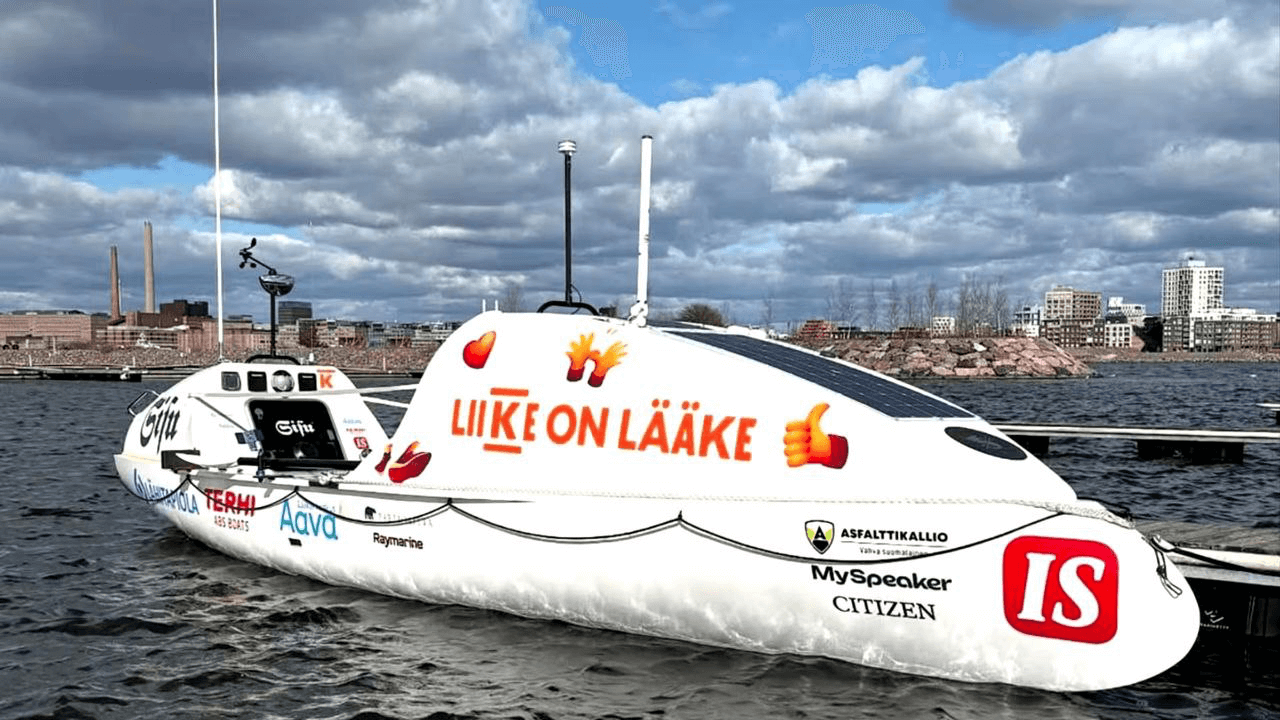
This winter significant events were unfolding in the Southern Ocean for ocean rowing community. At that time, Fedor Konyukhov’s team was staying in the Argentine port of Ushuaia gearing up for Antarctica expedition. It was there that the team noticed an ocean rowing boat flying the Finnish flag. Ushuaia harbor usually hosts numerous cruise ships and expedition yachts, but rowing boats appear here extremely rarely.
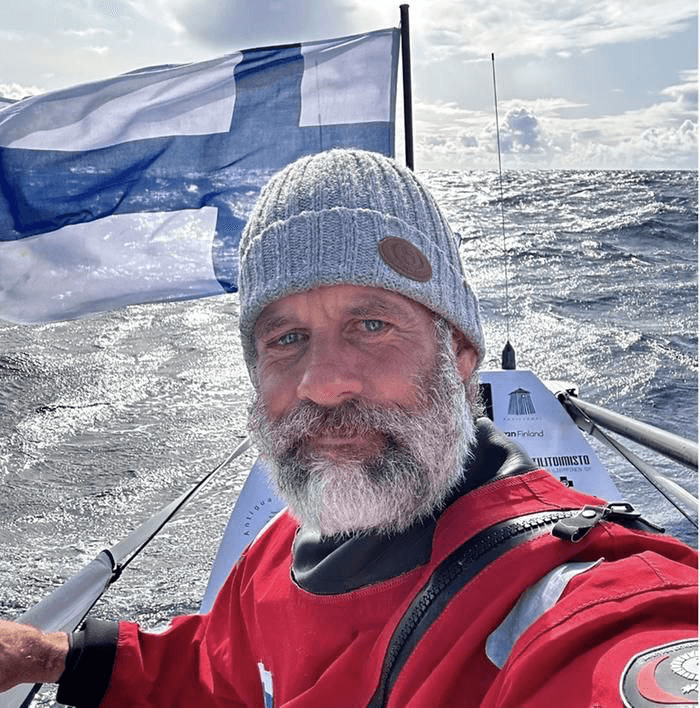
It turned out that experienced Finnish rower Jari Saario, aged 53, was planning to row from Cape Horn to the Cape of Good Hope across the South Atlantic Ocean. His project was called “Horn to Hope.” Exactly one year earlier, Fedor Konyukhov had set off along the same course in the rowing boat AKROS, but with a far more ambitious objective — to cross two oceans and finish in Western Australia, in either Perth or Albany.
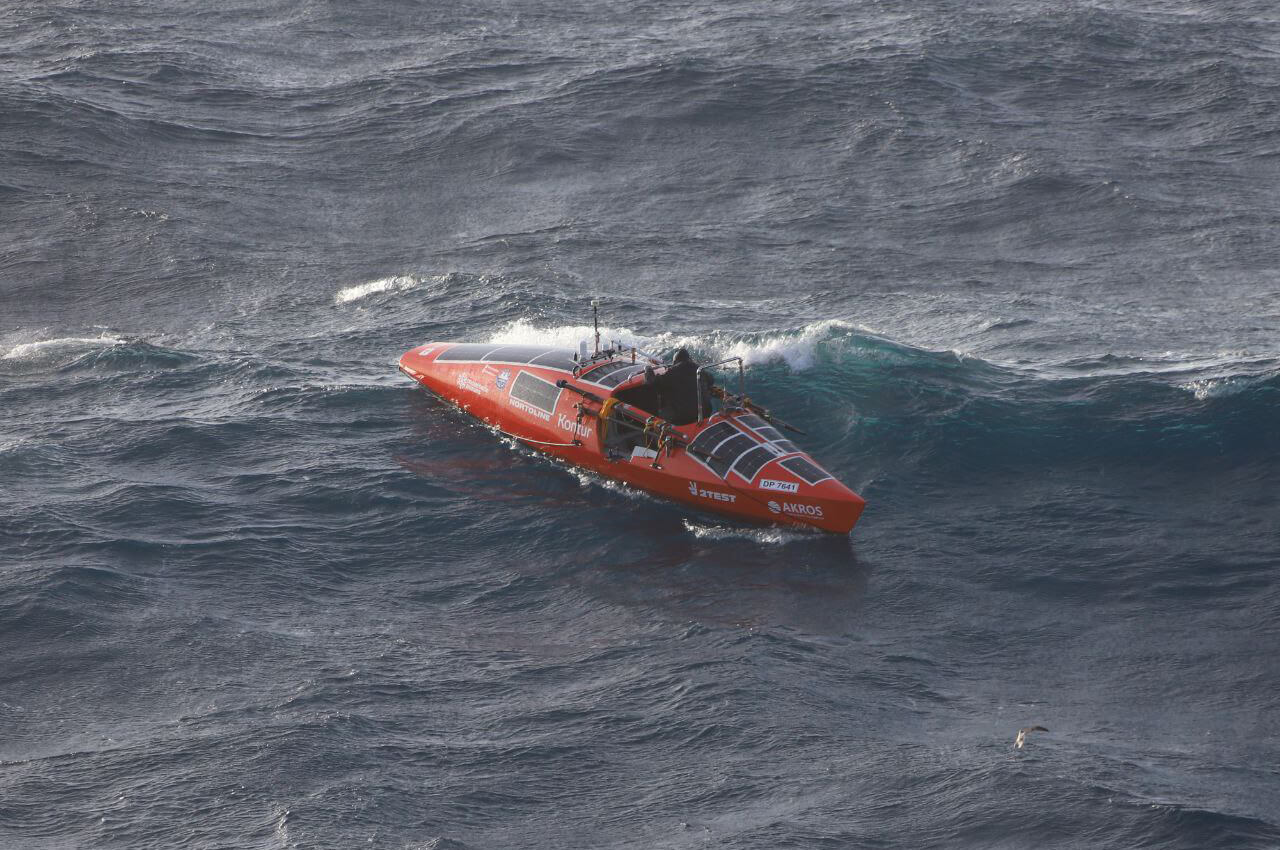
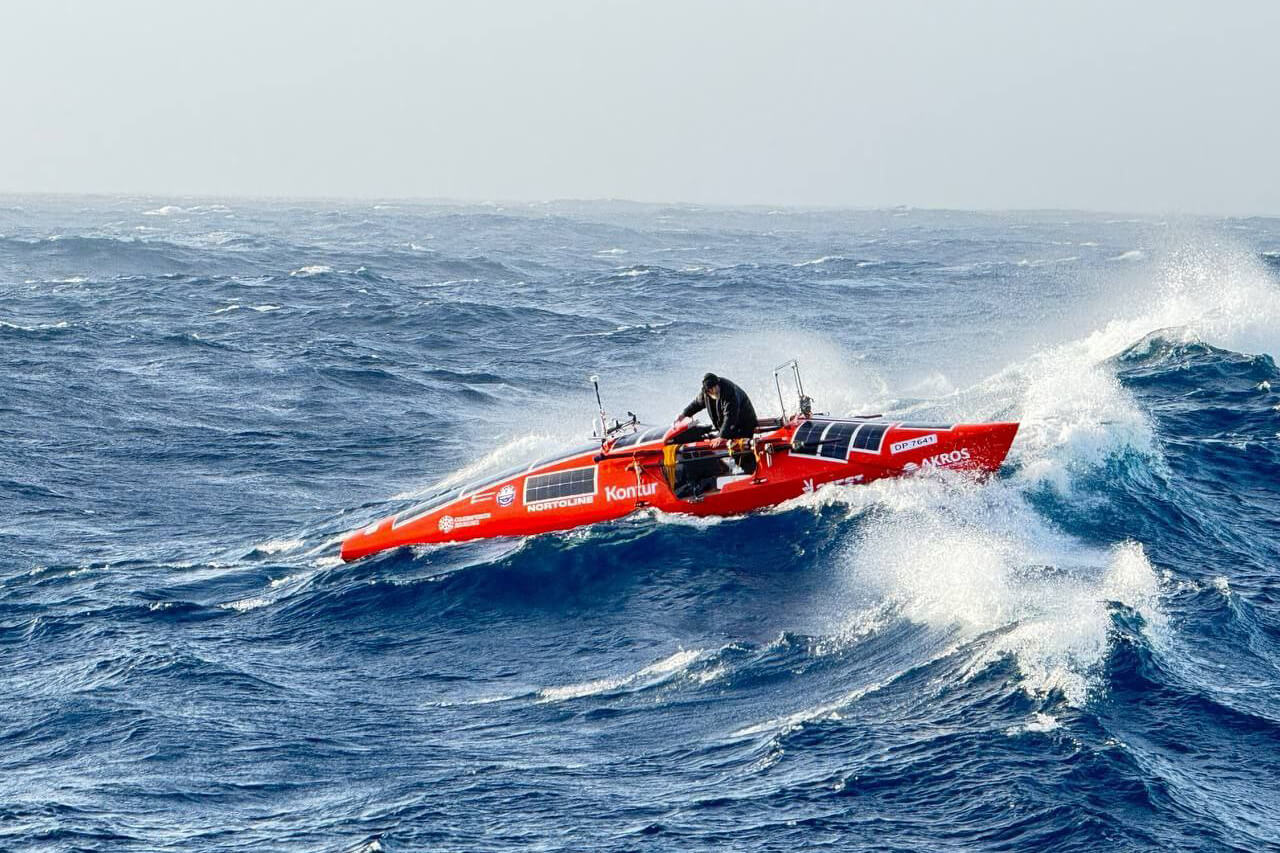
After 68 days at sea, the rowing boat AKROS crossed the longitude of the Cape of Good Hope and continued eastward into the South Indian Ocean. However, on the 115th day of the voyage, due to technical problems and damage caused by numerous capsizes, the decision was made by his shore crew to evacuate Fedor. Two days later he was picked up at 42°05’ south latitude and 60°05’ east longitude in the South Indian Ocean by the Chinese bulk carrier ORE HONG KONG. The rowing boat AKROS had to be left behind in the ocean.
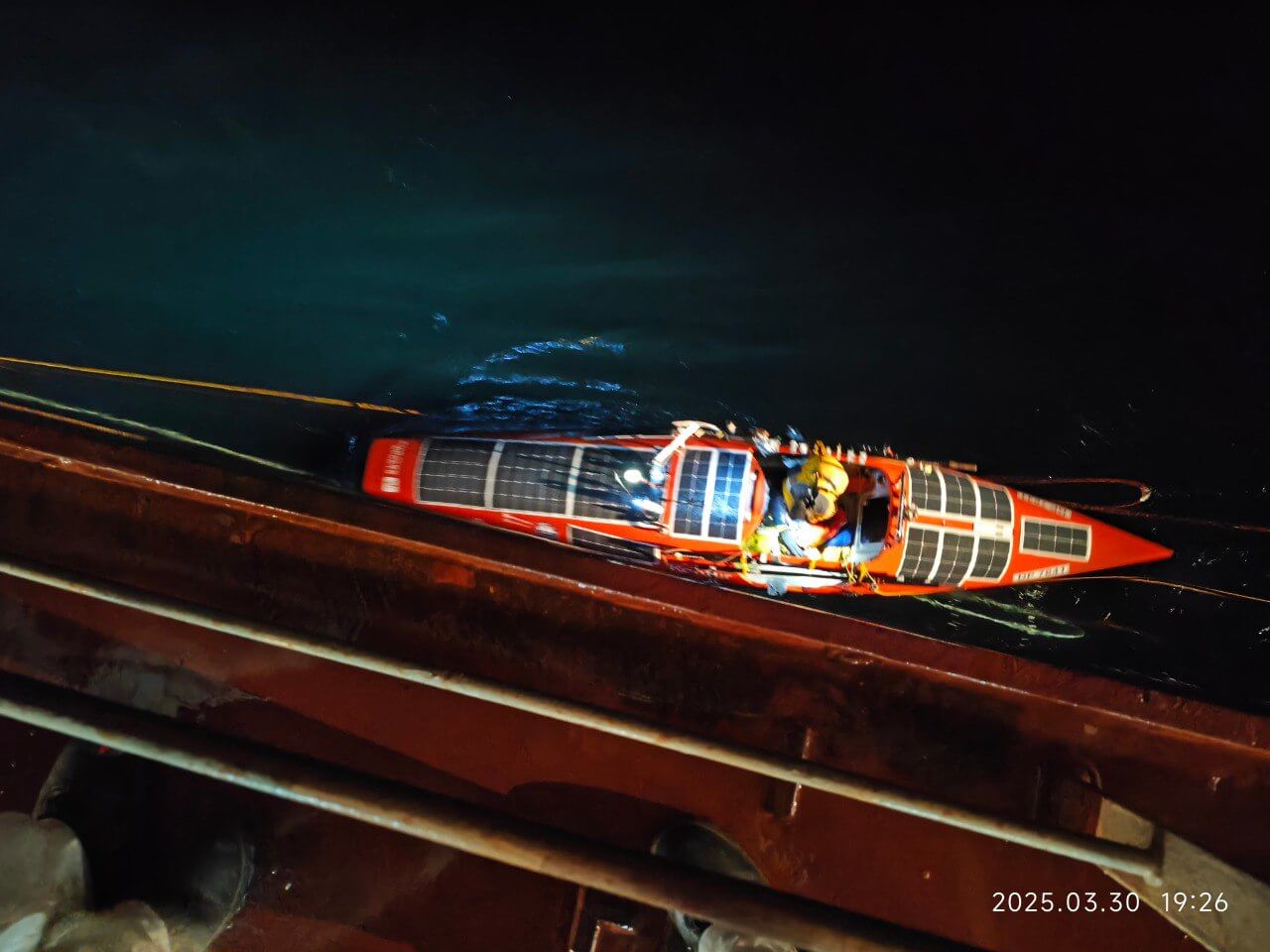
Further details about these events can be found here.
Finnish rower Jari Saario chose a favorable weather window and set off confidently from Horn Island. He successfully crossed the Drake Passage, navigated south of the Falkland Islands, and then headed on a direct course toward Cape Town. Once he crossed half way mark it seemed that the most severe weather conditions were already behind him.
However, in January the boat encountered a series of powerful storms. It was repeatedly capsized, and during one of the storms the main hatch was damaged, compromising the watertight integrity of the cabin. Water rushed inside, flooding the instruments and disabling the electrical systems. In effect, the boat began to sink.
As a result, the Finnish rower sent out a Mayday distress call and was rescued by a passing Greek-flagged cargo vessel. The rowing boat itself had to be abandoned in the ocean.
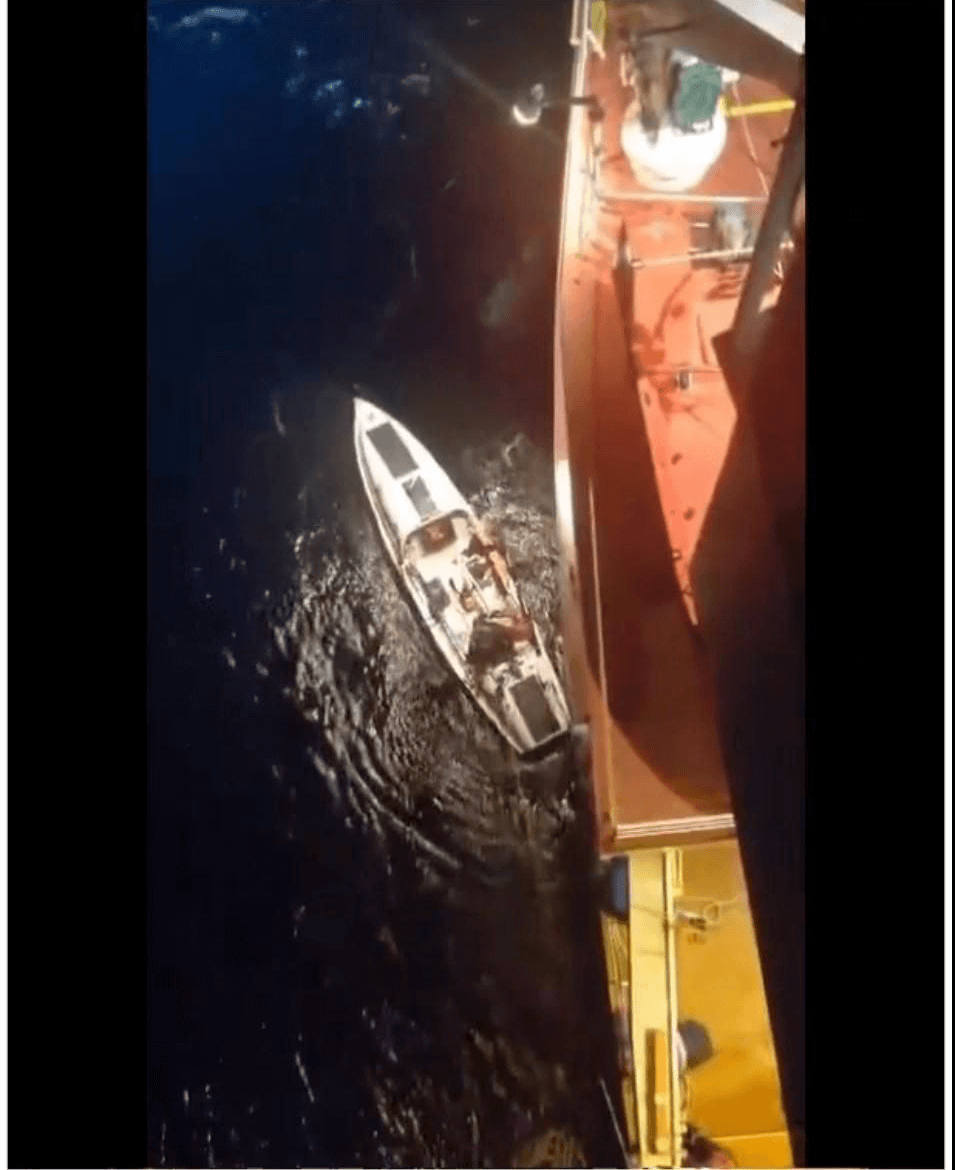
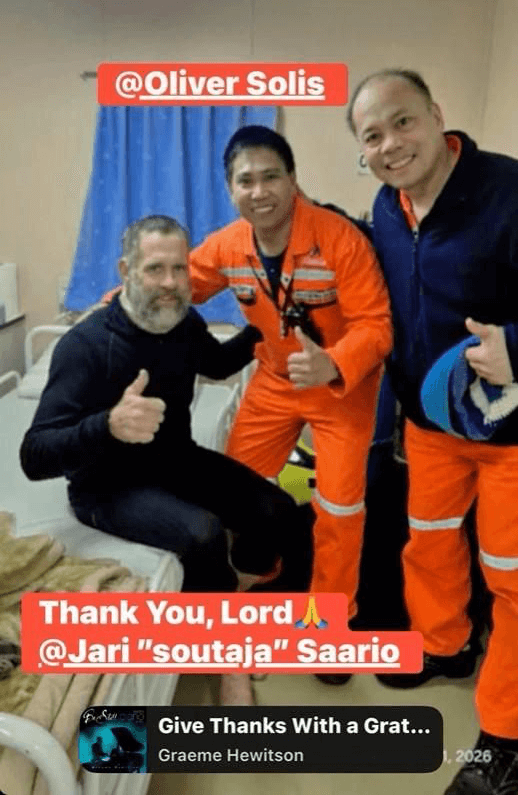
Thus, within two years, two solo attempts were made to complete this extremely demanding route by rowing eastward from Cape Horn. Fedor Konyukhov managed to cross the South Atlantic, but he did not finish the passage in South Africa, continuing instead toward Australia and was rescued in the middle of Indian Ocean. The Finnish rower, in turn, did not reach the Cape of Good Hope.
As Charlie Pitcher, founder of the Rannoch Adventure boatyard that built both ocean rowing boats — the Russian one and the Finnish one — remarked, “two minuses make a plus, isn’t that right”? Perhaps this means that two unsuccessful attempts only bring a future success closer.
New teams are likely already studying the experience gained from these rowing expeditions in the Southern Ocean. The main challenge on this route remains the weather, and the boats themselves, for such a crossing, essentially have to be prepared like self-contained survival capsules.